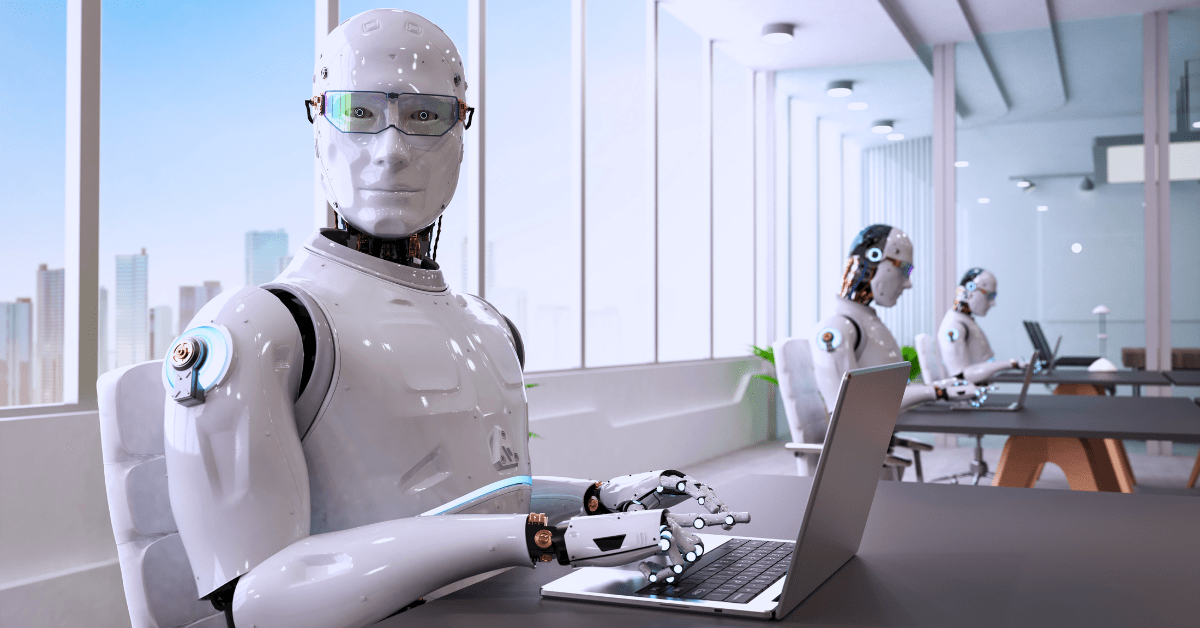
In the fast-paced world of technology, the landscape is constantly evolving, and at the forefront of this evolution is the ever-expanding domain of Artificial Intelligence (AI). The Future of AI Technology holds the key to unlocking infinite possibilities that were once confined to the realms of science fiction. This paradigm shift is not just about machines performing tasks; it’s about transforming the way we live, work, and interact. In this article, we delve into the profound impact of AI and explore the myriad possibilities it brings to the table.
Revolutionizing Industries with AI Integration
The integration of AI into various industries is reshaping the landscape of business operations. From healthcare to finance, AI technologies are streamlining processes, increasing efficiency, and even enhancing decision-making. For instance, in healthcare, AI-powered diagnostics are revolutionizing the way diseases are detected and treated, leading to more accurate and timely interventions.
In the financial sector, AI algorithms are crunching vast amounts of data to provide real-time insights, enabling better risk management and investment strategies. This transformative power of AI is not just a trend but a fundamental shift that businesses are embracing to stay competitive in an ever-changing global market.
AI and the Workforce: Collaboration, not Replacement
Contrary to the fear of job displacement, the future of AI technology is more about collaboration between humans and machines rather than complete automation. AI is poised to take over repetitive and mundane tasks, allowing human workers to focus on tasks that require creativity, critical thinking, and emotional intelligence.
Imagine a workplace where AI handles routine administrative tasks, leaving human professionals to engage in more meaningful and strategic aspects of their work. This collaborative approach not only boosts productivity but also creates a more dynamic and fulfilling work environment.
Ethical Considerations in AI Development
As AI technology advances, so do the ethical considerations surrounding its development and deployment. It’s crucial to ensure that AI systems are designed and implemented with ethical guidelines in mind to prevent unintended consequences. Issues such as bias in algorithms and invasion of privacy need to be addressed proactively.
Companies and developers are increasingly recognizing the importance of ethical AI, incorporating fairness and transparency into the design process. Striking a balance between innovation and ethical considerations is imperative to build a future where AI benefits society as a whole.
The Rise of AI in Personalized Experiences
One of the exciting prospects of the future of AI lies in its ability to create personalized experiences across various domains. From personalized healthcare treatments to customized learning paths, AI tailors its interactions based on individual preferences and behaviors.
Imagine a world where your digital assistant not only understands your commands but also anticipates your needs and preferences, providing a seamless and personalized experience. This level of customization not only enhances user satisfaction but also opens up new avenues for innovation in product and service delivery.
Navigating the AI Landscape
1. Cognitive Computing: Shaping Intelligent Systems
Cognitive computing, a subset of AI, is at the forefront of shaping intelligent systems. These systems mimic human thought processes, enabling them to understand, learn, and make decisions. The integration of cognitive computing is paving the way for more intuitive and adaptive AI applications.
2. Machine Learning: Fueling AI Advancements
Machine learning, a key component of AI, empowers systems to learn from data and improve their performance over time. From recommendation systems to image recognition, machine learning algorithms are driving significant advancements in AI capabilities.
3. Natural Language Processing (NLP): Enabling Human-Machine Communication
NLP allows machines to understand and interpret human language, facilitating seamless communication between humans and machines. The integration of NLP in AI applications enhances the user experience, making interactions more natural and intuitive.
4. Robotics: Transforming Automation
Robotics, coupled with AI, is transforming automation by enabling machines to perform complex tasks with precision and adaptability. From manufacturing to healthcare, robotic systems powered by AI are reshaping industries and increasing operational efficiency.
5. Predictive Analytics: Anticipating Future Trends
Predictive analytics, powered by AI algorithms, enables businesses to anticipate future trends and make informed decisions. By analyzing historical data, AI systems can provide valuable insights, helping organizations stay ahead of the curve in a rapidly changing market.
AI in Education: Shaping the Future of Learning
The impact of AI on education is profound, reshaping traditional learning methods and opening up new possibilities for students and educators alike. Adaptive learning platforms powered by AI tailor educational content to individual student needs, ensuring a personalized and effective learning experience.
AI also plays a pivotal role in automating administrative tasks in educational institutions, allowing educators to focus more on student engagement and personalized teaching. As technology continues to advance, AI will play an increasingly crucial role in preparing students for the challenges of the future workforce.
The Future of AI in Healthcare: A Revolution in Diagnostics and Treatment
AI’s role in healthcare is revolutionary, particularly in diagnostics and treatment. Advanced algorithms analyze medical data with unparalleled speed and accuracy, leading to early detection of diseases and personalized treatment plans. The integration of AI in medical imaging, genomics, and drug discovery is ushering in a new era of precision medicine.
As AI continues to evolve, we can expect even greater breakthroughs in healthcare, from predictive analytics for disease prevention to AI-driven robotic surgeries. The future holds the promise of not just treating illnesses but proactively managing and enhancing overall well-being.
Embracing AI for Environmental Sustainability
AI’s potential extends beyond business and personal applications to address global challenges, including environmental sustainability. AI-powered solutions are being employed to optimize energy consumption, manage natural resources, and address climate change.
Smart grids, powered by AI algorithms, enhance the efficiency of energy distribution, while predictive analytics contribute to better resource management. The synergy between AI and environmental sustainability presents a powerful combination to create a more ecologically conscious and responsible world.
Overcoming Challenges: The Path to Responsible AI
While the future of AI is rife with possibilities, it is not without its challenges. Ethical considerations, data privacy concerns, and the potential for job displacement require careful navigation. The path to responsible AI involves a collaborative effort from governments, businesses, and the tech industry to establish regulations and frameworks that ensure the ethical development and deployment of AI technologies.
As we move forward, it’s crucial to prioritize responsible AI practices that align with societal values and benefit humanity as a whole. By addressing these challenges head-on, we can ensure that the future of AI unfolds in a way that is inclusive, transparent, and ultimately enhances the well-being of individuals and communities.
Conclusion
In conclusion, the future of AI technology holds immense promise, unlocking infinite possibilities across various domains. From revolutionizing industries and reshaping the workforce to personalized experiences and addressing global challenges, AI is a transformative force that is here to stay.
As we navigate this future landscape, it’s essential to approach AI development with a responsible and ethical mindset. Embracing collaboration between humans and machines, prioritizing personalized experiences, and addressing challenges head-on will pave the way for a future where AI enhances the quality of life for everyone.